Each year, millions of dollars in collectible coins are lost, undervalued, or damaged simply because their owners didn’t create a plan. This preventable loss is often the result of heirs selling coins at melt value, poor storage decisions, or unresolved legal confusion.
For collectors who’ve spent years curating their coin collections, it’s a heartbreaking outcome, but it’s one that can be avoided.
Coin collecting, often called the “Hobby of Kings,” is more than just an investment. It represents history, art, and personal passion. However, without proper estate planning, even the most carefully built collection can unravel quickly after the collector is gone.
As a professional estate planner, I’ve seen families unknowingly discard rare coins, rush into lowball sales, or enter bitter disputes, all because there was no clear plan in place.
In this article, we’ll look at why planning ahead is critical to preserving your coin collection and how to do it effectively.
You’ll learn how uninformed heirs may unknowingly sell coins for melt value, what rushed liquidations and poor storage can do to rare pieces, how family disputes arise over collectible coins, and simple estate planning steps that protect value and intent.
Why Coin Collections Are at Risk Without Planning
Without proper estate planning, a coin collection can quickly lose both its financial and historical value.
Collectors often spend years or even decades curating a meaningful collection, selecting coins for their rarity, beauty, or historical importance, but when that collection passes to heirs who lack the necessary knowledge or preparation, the results can be devastating.
Heirs Often Sell Valuable Coins at Melt Value
One of the most common and costly mistakes occurs when heirs sell collectible coins based solely on their metal content. Melt value refers to the raw bullion worth of a coin, which is determined by its weight and the current market price of the metal. This is a fraction of what a rare or well-preserved coin can fetch on the collector market.
For example, a 1932-D Washington quarter may contain only 15 or so dollars’ worth of silver, but its scarcity and condition can make it worth hundreds or even thousands to collectors. Without knowledge of coin grading, mint marks, and rarity, heirs may unknowingly sell such coins for scrap, losing immense value in the process.
Rushed Liquidation Can Destroy Value
In the absence of a plan, families often opt for quick estate sales or auctions to liquidate assets. These rushed sales rarely involve professional appraisals or proper marketing to numismatic buyers. As a result, coins are often sold in bulk lots or at general estate auctions, where bidders may not appreciate their full worth.
Auction houses that lack numismatic expertise may group valuable coins with low-grade or common items, dragging down overall sale prices. This kind of hasty liquidation can erase years of careful acquisition and diminish the return on what was once a high-value collection.
Poor Storage Leads to Physical Damage
Coins are delicate objects that require specific storage conditions. When inherited by someone unfamiliar with proper care, coins can quickly deteriorate. Common mistakes include:
- Storing coins in plastic bags or jars, which can cause scratching.
- Handling coins with bare hands, leaving oils and fingerprints.
- Keeping coins in humid or fluctuating environments, leading to corrosion.
- Cleaning coins, which can dramatically reduce value.
Even minor damage such as surface nicks or environmental toning can significantly reduce a coin’s grade and resale value. A mint-condition coin can be worth multiples more than the same coin in average circulated condition.
Legal and Emotional Consequences of No Estate Planning
Beyond financial loss, neglecting to plan for your coin collection can lead to family conflict and legal confusion. A clear estate plan not only protects the value of your coins but also preserves family harmony and honors your collecting goals.
Family Disputes Over Ownership
When a coin collection is left to multiple heirs without clear instructions, disputes often arise. One sibling may claim sentimental ties while another sees the collection purely as an asset. If the collection’s value is unknown or underestimated, disagreements can escalate quickly.
These disputes can fracture relationships and lead to costly legal battles. Even if the collection is eventually divided or sold, the emotional toll can linger for years.
Probate Delays and Legal Confusion
Without documentation or legal directives, coins and collectibles can get tied up in probate court. Probate is the legal process of validating a will and distributing assets, and it can be particularly complicated when it involves items such as coin collections that are difficult to value.
Coins may be held in limbo for months or years, delaying their transfer to heirs. If there is no will, state laws determine distribution, which may not align with your wishes. The lack of clarity can also attract disputes or challenges from other family members.
Loss of Collector’s Story and Intent
Every coin collection tells a story. Whether it’s a complete U.S. type set or a series of Roman denarii, the collector’s intent provides context and meaning. Without proper documentation, that narrative is often lost.
Collectors often build their sets with specific goals in mind: assembling coins from a certain era, completing a rare series, or investing in historically significant items. If those intentions aren’t recorded, future generations might never understand the purpose behind the collection or, worse, may dismantle it without realizing its significance.
Common Mistakes Inheritors Make
When coin collections pass to heirs, many lack the knowledge or tools to manage them properly. This inexperience can lead to avoidable losses, both financial and historical.
Misunderstanding Coin Grading and Rarity
Grading is one of the most important factors in determining a coin’s value. A coin graded as “Mint State” (MS-65 or higher) can be worth many times more than the same coin in “Very Fine” condition. Without this understanding, heirs might assume all coins are roughly equal in value.
Rarity is another critical factor. A coin with a low mintage or a unique minting error can be extremely valuable, even if it appears ordinary. Without a trained eye, these features are easy to miss.
Ignoring Provenance and Documentation
Collectors often keep records such as purchase receipts, grading certificates, and notes about each coin’s origin or significance. These documents can enhance a coin’s value by proving its authenticity and history.
When heirs discard or overlook these papers, they strip the coins of their provenance. This can make it harder to sell the collection at its true value or to verify its authenticity.
Selling Without Professional Appraisal
Selling a coin collection without an expert appraisal is a major risk. Coin dealers, auction houses, and appraisers who specialize in numismatics can provide accurate valuations and help identify key pieces.
Without an appraisal, heirs may accept lowball offers or sell to buyers who do not disclose the full value. Working with a numismatic professional ensures that each coin is evaluated on its own merits and marketed appropriately.
How To Protect Your Coin Collection With Estate Planning
Protecting your coin collection starts with a few simple but powerful estate planning steps. These actions can safeguard both the physical collection and the legacy it represents.
Create a Detailed Inventory
Document each coin in your collection, including:
- Type and denomination.
- Year and mint mark.
- Condition or grade.
- Estimated market value.
- Purchase or acquisition history.
This inventory serves as a roadmap for your heirs and provides a foundation for accurate appraisal and distribution. It also helps prevent disputes by making the collection’s contents transparent.
Work With an Estate Planning Professional
Over the years, I personally have seen families lose thousands of dollars, and priceless family harmony, because there was no plan in place for a coin collection. Legal tools such as wills, trusts, or transfer-on-death instructions can ensure your collection is passed on smoothly and according to your wishes.
A trust, for example, can name a specific beneficiary or trustee responsible for managing the collection. This can help avoid probate entirely, reduce estate taxes, and provide clear direction on how the collection should be handled.
Choose the Right Heir or Steward
Passing your collection to someone who understands or appreciates coin collecting can help preserve its value. If no family member fits that description, you can assign a professional trustee or advisor to manage the transition.
You might also consider donating part or all of your collection to a museum or numismatic organization, where it can be preserved and appreciated by future generations.
Tools and Resources To Support Long-Term Preservation
Maintaining your coin collection’s condition and legacy requires the right tools, storage methods, and ongoing documentation.
Use Proper Storage and Identification
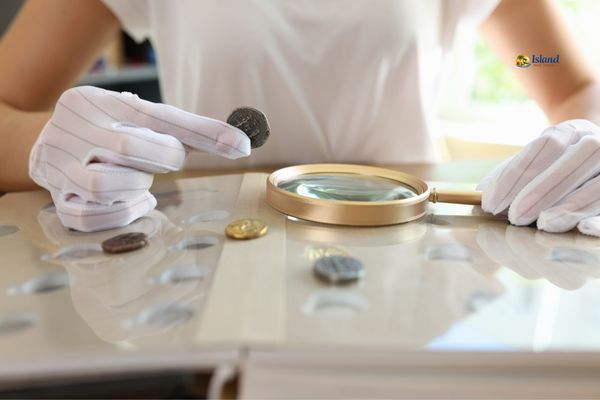
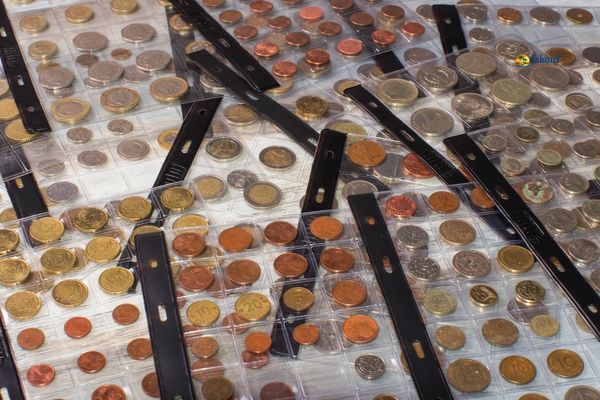
Coins should be stored in protective holders, albums, or capsules to prevent damage. Look for products made from materials that won’t react chemically with metal, such as Mylar or inert plastic.
- Use cotton gloves when handling coins.
- Store in a cool, dry environment.
- Avoid cleaning coins, as it can reduce their value.
Labeling each coin with inventory numbers that correspond to your master list can also help future stewards manage the collection effectively.
Connect With Numismatic Organizations
Joining a group such as the American Numismatic Association provides access to educational materials, valuation tools, and a network of experts. These organizations often host conventions and offer certification programs that can be invaluable for both collectors and heirs.
Keep Ongoing Records and Updates
As your collection grows or changes, update your inventory and estate documents. Note any new acquisitions, changes in market value, or shifts in your distribution plans. These updates keep your plan relevant and help your heirs avoid confusion.
Preserve the Value and the Story of Your Collection
A coin collection is more than a group of minted objects. It reflects your passions, your historical curiosity, and often decades of dedication. Failing to plan for its future can mean losing not just financial value but also the story your coins tell.
With a detailed inventory, proper storage, legal directives, and a trusted steward, your collection can continue to educate, inspire, and appreciate in value long after you’re gone. Whether your collection is modest or museum-worthy, the right estate planning ensures that it remains a meaningful legacy, not a forgotten asset.